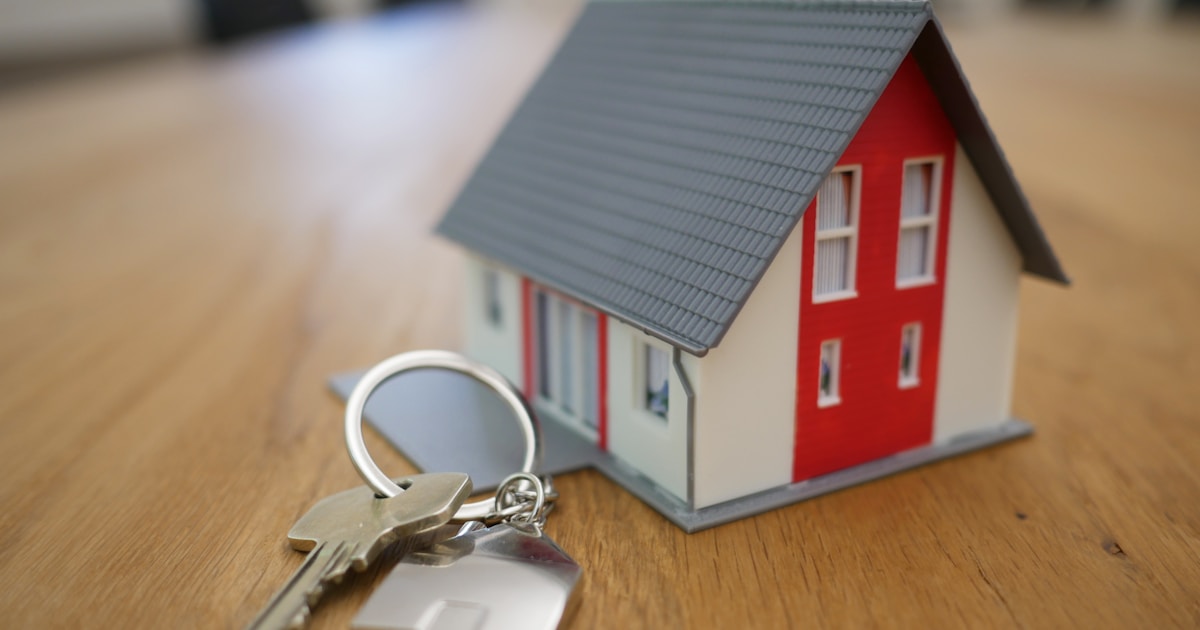
If you have been saving for a house deposit and feeling like the goalposts keep moving, you are not imagining things. Australia's housing market has continued its relentless upward march through 2025 and into 2026, with the national median dwelling price now sitting above $870,000. In Sydney, you are looking at well over $1.2 million for a median house. Let us break down what it actually costs to buy in 2026 and what your options are.
The State of Play: Median Prices in 2026
CoreLogic data from early 2026 paints a confronting picture for aspiring homeowners. Here are the approximate median house prices across the capital cities:
- Sydney: $1,280,000
- Melbourne: $935,000
- Brisbane: $890,000
- Perth: $820,000
- Adelaide: $795,000
- Canberra: $870,000
- Hobart: $680,000
- Darwin: $540,000
Units and apartments are more affordable, with national medians around $640,000, but they have also seen strong growth — particularly in inner-city Brisbane and Perth where interstate migration has driven demand through the roof.
The True Cost Beyond the Purchase Price
The sticker price is only the beginning. When you buy property in Australia, the upfront costs can add tens of thousands of dollars to your bill. Here is what a typical first-home buyer faces on an $800,000 property:
- Deposit (20%): $160,000 (or $40,000 at 5% with LMI)
- Stamp duty: $20,000 to $32,000 depending on the state
- Lenders Mortgage Insurance (if under 20% deposit): $8,000 to $15,000
- Conveyancing: $1,500 to $3,000
- Building and pest inspections: $500 to $800
- Loan establishment fees: $200 to $600
All up, you are looking at roughly $45,000 to $55,000 in upfront costs on top of a 5% deposit, or $185,000 to $200,000 if you are putting down the full 20%. Use our stamp duty calculator to get an exact figure for your state and property value.
Stamp Duty: The Silent Budget Killer
Stamp duty remains one of the biggest barriers to home ownership in Australia. It is a state tax charged on property transfers, and the rates vary dramatically across jurisdictions.
In New South Wales, first-home buyers pay no stamp duty on properties up to $800,000, with a sliding scale up to $1,000,000. In Victoria, the threshold is lower at $600,000 for a full exemption. Queensland offers concessions up to $700,000 for first-home buyers, while Western Australia has a $430,000 threshold — one of the lowest in the country relative to median prices.
For non-first-home buyers, stamp duty on a $900,000 property ranges from about $25,000 in Queensland to nearly $40,000 in Victoria. These are enormous sums that could otherwise go towards your deposit or mortgage offset account. Our stamp duty calculator breaks down the exact cost for your situation.
What You Need to Earn to Buy
The depressing maths of housing affordability comes down to the deposit-to-income ratio. The old rule of thumb was that housing should cost no more than five times your household income. By that measure, a Sydney household needs to be earning $256,000 per year to afford the median house. The actual median household income in Sydney is roughly $120,000.
Even in the more affordable capitals like Adelaide and Perth, you need a household income north of $160,000 to comfortably service a mortgage on a median-priced house with a 20% deposit — assuming a 6% interest rate and keeping repayments below 30% of gross income.
Want to see what your borrowing capacity actually looks like? Run your numbers through our salary calculator to understand your after-tax income, then figure out how much you can realistically allocate to mortgage repayments.
First Home Buyer Schemes: Do They Actually Help?
The federal and state governments offer a patchwork of schemes aimed at first-home buyers. Here is a quick rundown of what is available in 2026:
First Home Guarantee (federal): Allows eligible buyers to purchase with as little as 5% deposit without paying LMI. The government guarantees the remaining 15%. Property price caps apply — $900,000 in Sydney, $700,000 in Melbourne, and lower in other cities. Places are limited to 35,000 per year.
Help to Buy (federal): The government takes an equity share of up to 40% in a new home or 30% in an existing home, reducing the amount you need to borrow. You buy back the equity share over time. This scheme launched in late 2025 and initial reports suggest strong uptake.
First Home Super Saver Scheme: Allows you to withdraw voluntary super contributions (up to $50,000) for a home deposit, taxed at your marginal rate minus a 30% offset. This can save several thousand dollars compared to saving in a standard bank account.
These schemes help at the margins, but they do not fundamentally solve the affordability problem. As the Grattan Institute has repeatedly argued, the only lasting solution is building more housing — particularly medium-density infill in established suburbs near transport and jobs.
Regional Markets: The Affordable Alternative?
One trend that accelerated during COVID and has not fully reversed is the shift towards regional living. Towns like Geelong, the Gold Coast hinterland, Newcastle, and the Sunshine Coast still offer median prices $200,000 to $400,000 below their nearest capital city — though the gap has narrowed considerably.
The trade-off is obvious: fewer job opportunities, longer commutes if you work in the city, and thinner local services. But with remote work now embedded in many industries, regional buying is a genuine pathway for workers in tech, finance, and professional services.
What Can You Actually Do?
If buying feels impossible right now, here are some practical steps worth considering:
- Maximise your savings rate: Use our salary calculator to understand your take-home pay, then set a specific savings target each pay cycle
- Consider salary sacrifice into super and use the First Home Super Saver Scheme to boost your deposit with tax savings
- Look at the total cost of ownership using our stamp duty calculator so there are no surprises on settlement day
- Explore rentvesting: Buying an investment property in an affordable area while continuing to rent where you want to live
- Check your eligibility for the First Home Guarantee or Help to Buy schemes
The Outlook
Most economists expect Australian property prices to grow by another 3% to 6% through 2026, with stronger gains in Perth and Brisbane and more subdued growth in Melbourne. Interest rate cuts from the RBA — widely expected in the second half of 2026 — could add further fuel to the market by boosting borrowing capacity.
The uncomfortable truth is that waiting for prices to fall has been a losing strategy in Australia for decades. While timing the market is never advisable, understanding your finances thoroughly and having a clear plan puts you in the best possible position to act when an opportunity arises.